Leading pharmaceutical firms such as Cipla and Ranbaxy are among the firms pulled up by the drug price regulator National Pharmaceuticals Pricing Authority (NPPA) for overcharging.

Ties between India and the United States have been strained in recent years because of trade policies and patent disputes.
Department of Pharmaceuticals asks NPPA to review Eli Lilly product prices.

The medicines whose prices have been reduced belong to therapeutic categories, like dexametozone, betamethazone, ampicillin and ranitidine. The prices of some multi-vitamins and antibiotics would rise a bit.
Facing a steep rise in raw material and interest costs, pharmaceutical companies have sought an increase in prices of regulated medicines, saying otherwise they may be forced to curtail production of certain medicines that have become unprofitable.

The National Pharmaceutical Pricing Authority, which regulates the prices of medicines, has identified around 70 anti-cancer drugs, including anti-breast cancer medication Letrozole and anti-blood cancer drug Imatinib, for detailed price analysis.

For the consumer, there would be practically no impact on prices of essential medicines this year.

The USTR report, released just ahead of the US' April 2 deadline for implementing reciprocal tariffs, has also cited high tariffs and price caps, which have not increased in line with inflation, as key obstacles for US businesses.
The prices of essential medicines may drop, as the National Pharmaceutical Pricing Authority (NPPA) has made significant changes in its norms to rationalise price approvals.
National Pharmaceutical Pricing Authority names Cipla, Dr Reddy's Labs and Ranbaxy among those.
The National Pharmaceutical Pricing Authority (NPPA) on Thursday said it has increased prices of 62 drugs, which are mainly based on indigenously manufactured insulin, giving a filip to domestic firms.
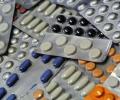
According to highly placed sources in NPPA, the reduction in prices following the latest exercise will range between six and 53 per cent.
The profit margins of multinational companies importing medicines into India have been hit with the National Pharmaceutical Pricing Authority starting strict scrutiny of price approval applications for imported products.

NPPA's decision would also benefit domestic stent makers.
.jpg)
The move is expected to delay the introduction of low-priced medicines in the market.
.jpg)
The Drug (Prices Control) Order implemented in May last year brought into its purview 652 packs of 348 formulations.
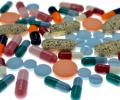
This move is expected to benefit 22 lakh cancer patients in the country.
The government on Tuesday said the steps taken by the national pharmaceutical pricing authority for enforcement of prices fixed by it had resulted in recovery of an overcharged amount of Rs 80.08 crore (Rs 800.8 million) till October this year.
The National Pharmaceutical Pricing Authority has asked Cipla, the second biggest domestic drug maker, to pay Rs 748.27 crore (Rs 7.48 billion) as fine towards overcharging of controlled drugs.
The idea is to keep a close watch on real-time price movements, the maximum retail price of medicines and their availability.
Povidone iodine ointment and solutions are available in the market under various popular brands such as Betadine and Wokadine.

Drug major Novartis has been slapped with a Rs 300-crore penalty by drug regulator NPPA for overcharging consumers on sale of Voveran, its best-selling painkiller medicine.

GSKAP takes care of all non-nutrition products whereas GSK Consumer Healthcare is a listed entity which deals only in nutritional products.

Indian government has extended price caps to 39 more medicines ranging from commonly used diabetes drugs to antibiotics.
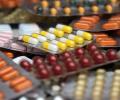
Notwithstanding the fact that the country's pharmaceutical (pharma) pricing regulator has allowed a 12 per cent price increase for medicines listed under the National List of Essential Medicines (NLEM) in 2023, analysts and industry insiders predict that the overall domestic pharma industry will only witness a price hike of 5-6 per cent. This is attributed to higher competitive intensity in the market. Krishnakumar V, executive director and chief operating officer (CEO) of Eris Lifesciences, a domestic-focused pharma company, noted that the NLEM segment experienced growth suppression of around 150 basis points due to price reductions during the January to July period this year.

The top 300 pharmaceutical brands in the country will now bear a quick response (QR) code on their packaging to rein in spurious drugs and ensure better traceability.

With these 18 drugs, the government now has brought in 467 medicines under the price control.

MicroPort entered the market on Feb 15 and its stent was used in a Mumbai hospital.
The government said that "in exercise of extraordinary powers in public interest, conferred by paragraph 19 of the DPCO, 2013", the ceiling prices of 21 key formulations had been increased. These formulations include common medicines like BCG vaccines, penicillin, malaria and leprosy medicines (Dapsone), life-saving drugs like Furosemide (used to treat fluid build-up due to heart failure, liver scarring, or kidney disease), vitamin C, some common antibiotics, and anti-allergy medicines.

The latest price revision includes mostly cardiovascular drugs, anti-bacterials, anti-herpes, contraceptives and gastrointestinal medicines

This import duty exemption would remain in force till October 31 this year.
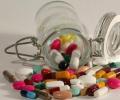
The intention of the government is to cap prices of drugs that are essential and which the public widely uses.

The current total installed capacity of the seven manufacturers of remdesivir is 38.80 lakh vials per month, the Ministry of Chemicals and Fertilizers said in a statement.
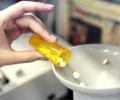
According to industry estimates, the sector's revenue would increase eight-10 per cent in 2013-14, against 12 per cent in 2012-13.

These items will remain under essential commodities segment till June-end, a move aimed at ensuring availability at reasonable prices and cracking down on hoarders/black marketeers.

Unlike India, the US is a free-pricing market.

The Union home ministry said several steps have been taken to augment the production and supply of Remdesivir injections from 38.80 lakh units per month to 74 lakh units per month by early next month, and asked the states to ensure its seamless supply and transport.
NPPA suggests expanding the list of essential medicines whose prices are controlled
For the poorest 20 per cent of Indians, the expenditure on medicines alone is 85 per cent of what they spend on their health, according to the National Sample Survey.
The impact from NELM on the Indian pharmaceutical sector is estimated to be around Rs 6,000 crore.
